
Decision summary
Turn features into an integration scope
| Layer | Equipment information | Project work to agree |
|---|---|---|
| Protocols | OCPP 1.6J / 2.0.1 | Selected firmware, mode and interoperability test |
| Access & payment | QR code / RFID / NFC; credit card optional | Included options and local payment arrangements |
| Monitoring | Real-time equipment monitoring | Software access, hosting and support scope |
A listed protocol is not a completed integration test. Record the actual configuration and test results.
Confirm the equipment and protocol
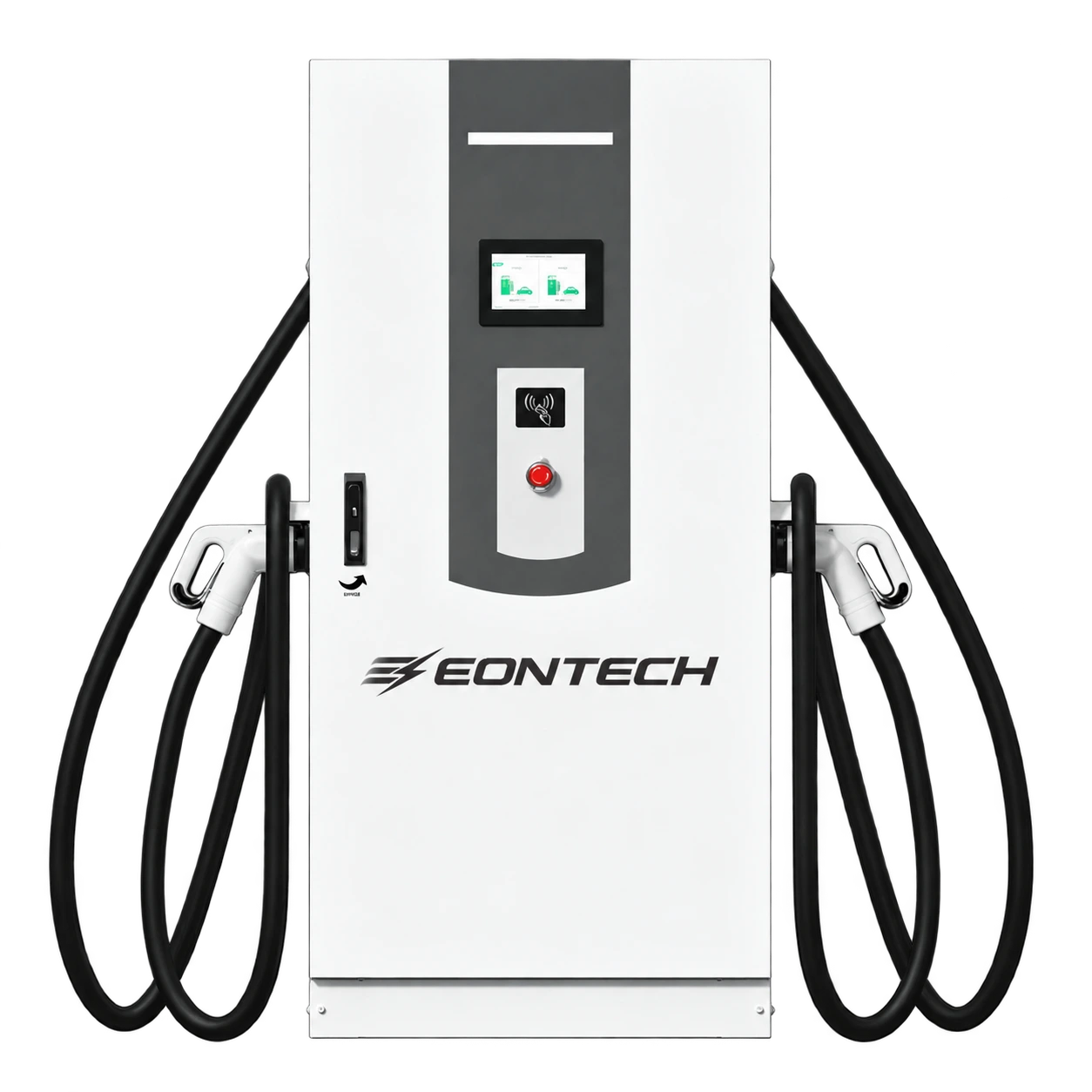
The EON120KW-400KW CCS2 range lists ISO15118 and DIN70121 vehicle protocols, and OCPP 1.6J and 2.0.1 backend protocols. Agree the hardware, firmware and protocol mode for the quotation, then test the connection with the selected backend.
Select access and payment methods
QR code, RFID and NFC are listed, with credit card optional. Record what is included in the quotation and which features need additional hardware, software or service contracts. Regional payment acquiring is a separate arrangement.
Define the monitoring scope
The smart operations and maintenance platform enables real-time monitoring. Agree the information needed by your operators and the scope of software access, hosting, accounts and ongoing support.
Test the workflows you will use
Agree the test environment and versions with the equipment supplier and backend operator. Include session start and stop, status reporting, reconnection and access control where required by the project. Record the results for the quoted configuration.
Assign handover responsibilities
Identify who supplies connectivity, configures the charger, manages the backend, arranges payments and handles faults. Document software updates, configuration changes and escalation contacts.
Close the integration brief
Before order approval, review the hardware and firmware list, payment configuration, integration-test plan, network requirements and support scope. Keep unresolved regional requirements visible in the proposal.