
Decision summary
Compare the actual equipment interface
| Equipment | Interface / output | Check next |
|---|---|---|
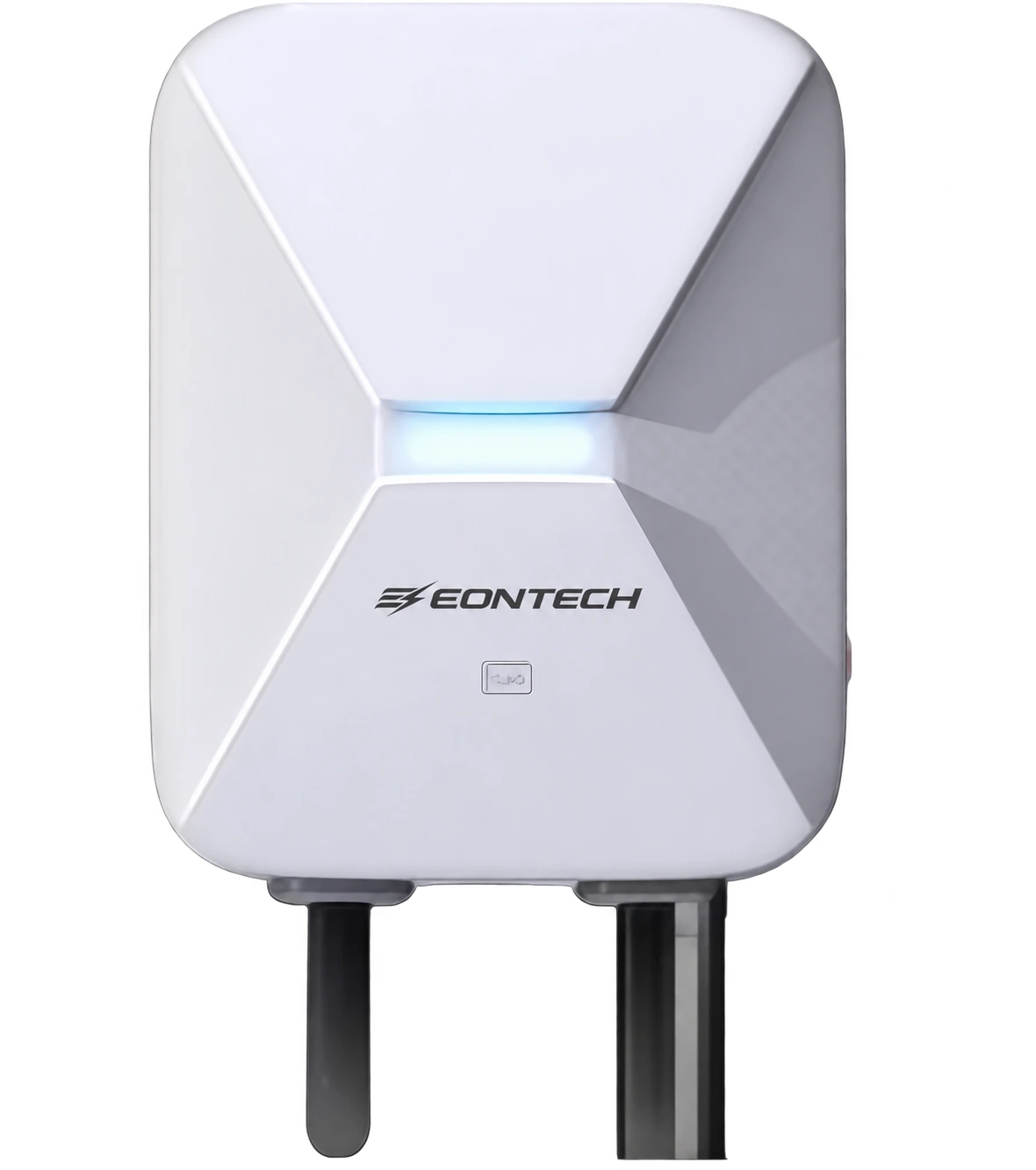
| EON220/32-1 | GB/T AC · 220 V · 7 kW | Vehicle inlet and onboard AC charger |
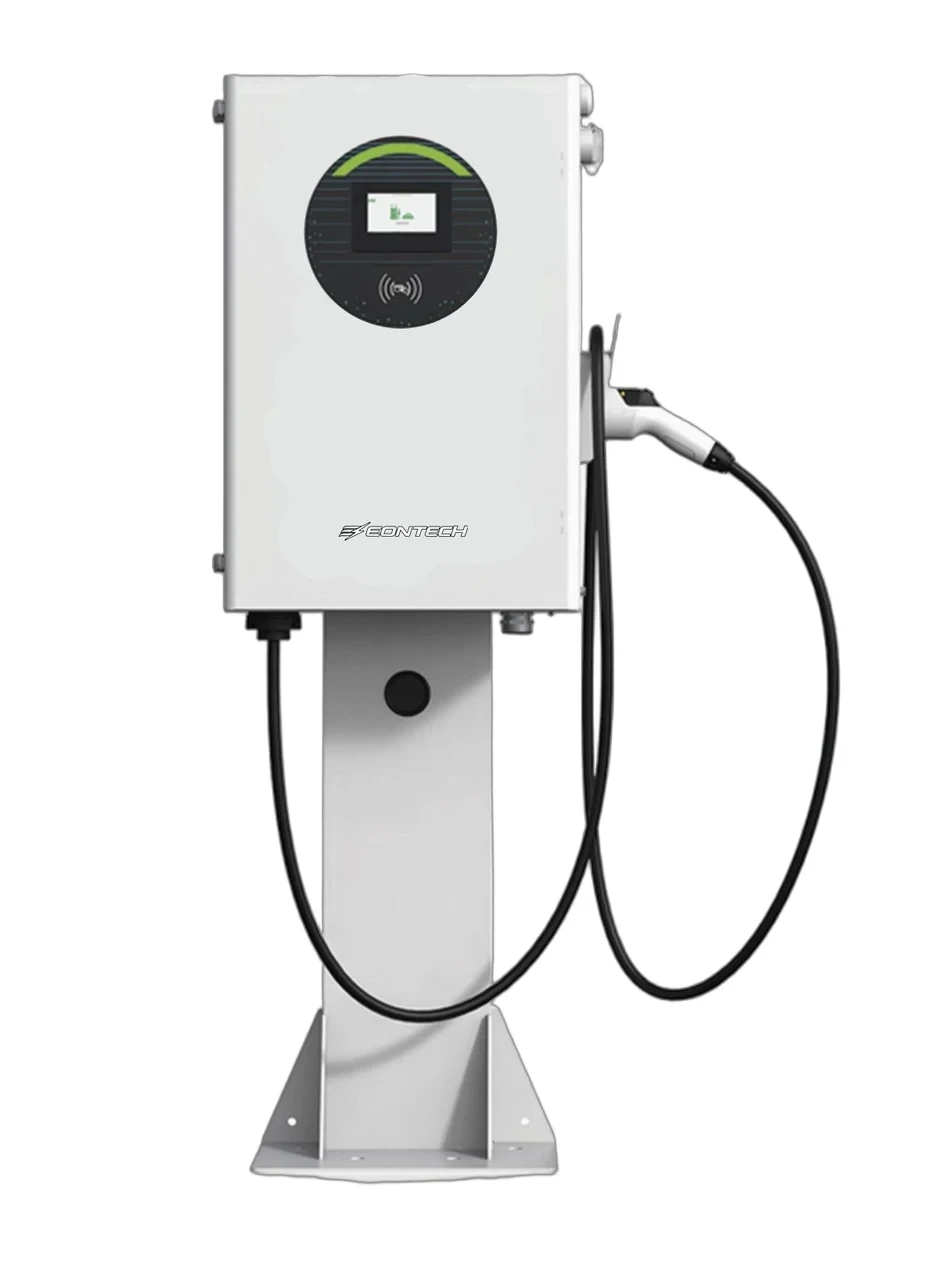
| EON1000/30-I & EON1000/40-I | GB/T DC · 200–1000 V | DC voltage/current and selected model |
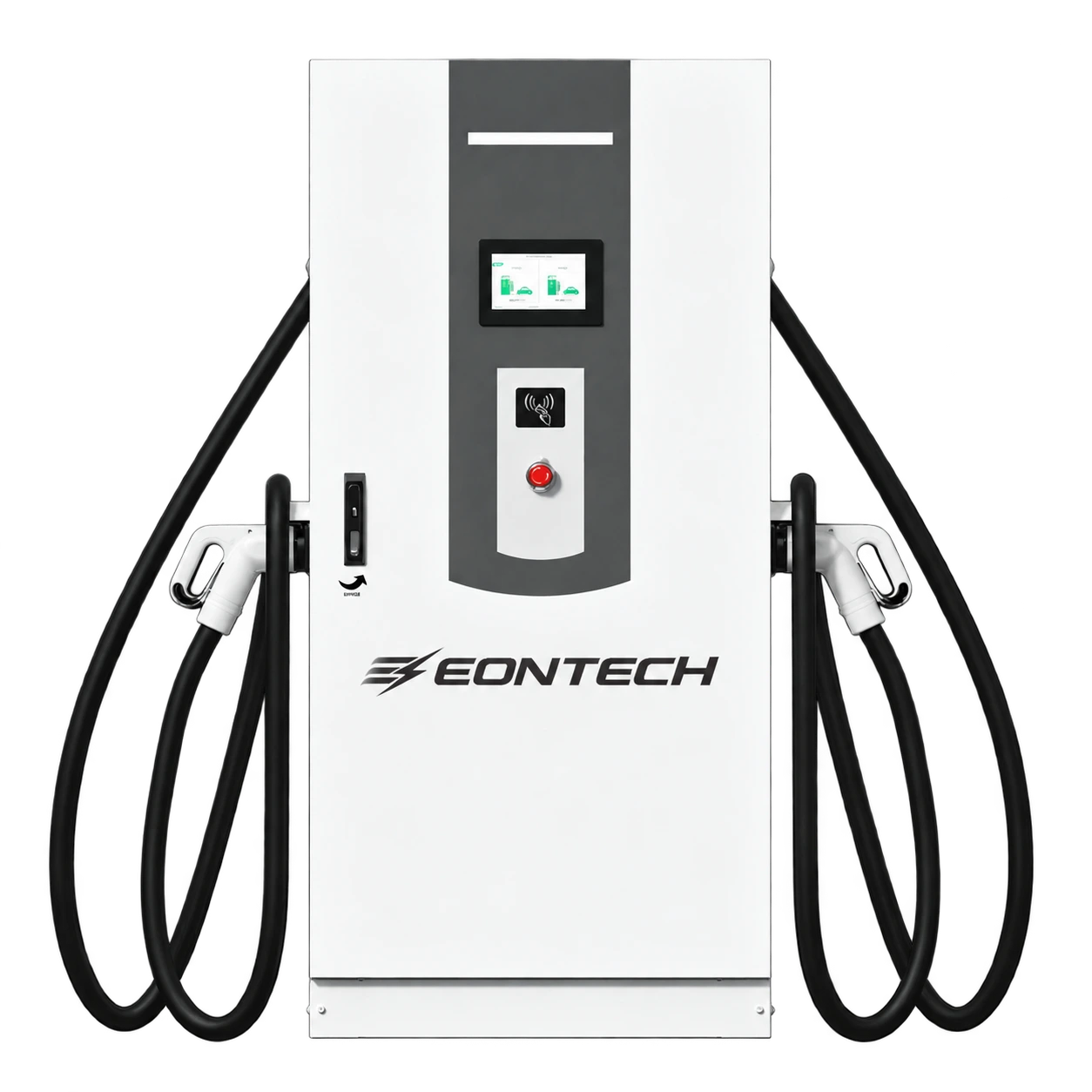
| EON120KW-400KW | CCS2 · 200–1000 V | Vehicle envelope, protocol and power allocation |
Each interface entry belongs to the named equipment. Confirm destination-specific approval separately.
Record the actual vehicle interfaces
Check the inlet and charging requirements for each vehicle variant. A mixed fleet may need separate configurations. Include the voltage and current envelope and the communication requirements in the vehicle list.
GB/T AC is a specific configuration
The EON220/32-1 is a 220 V, 7 kW AC charger using GB/T. Its connector entry applies to that configuration. Match the vehicle inlet and onboard charger, then confirm the cable, mounting and local electrical requirements.
CCS2: check the output envelope
The CCS2 range lists 200–1000 V output and a maximum current of 350 A, with a Boost option up to 500 A. Confirm the option and its operating conditions separately, including the cable and permitted duration.
GB/T DC is another equipment family
The EON1000/30-I and EON1000/40-I models are 30/40 kW GB/T DC chargers with 200–1000 V output. Compare their own technical sheets rather than transferring AC or CCS2 specifications to them.
Check the proposed model with us
Send the vehicle list and the proposed installation country. Our team can discuss the charger model, connector arrangement and technical information for that configuration.
Compatibility and approval are separate
An electrical match does not complete local installation approval. Ask the qualified local designer which documents and tests are required, then request files for the actual model, hardware and firmware configuration.
Record the final configuration
Before approving the quotation, record the vehicle and connector list, charger model, output range and simultaneous-use behaviour. List optional features separately and resolve outstanding local requirements.